Build What Customers Need, Not What You Assume
Product manager did customer interviews. Insights documented somewhere. Engineering started building from a ticket that summarized everything in bullet points. The nuance that mattered got lost in translation.
problem.identify()
Why Product Teams Build the Wrong Things
Research-to-Development Gap
Customer interviews reveal pain points. Insights summarized in a doc. Months later, engineering implements something that vaguely resembles the original insight but misses the point entirely.
Prioritization Black Box
Stakeholders ask why Feature X was prioritized over Feature Y. PM says 'customer feedback.' Which customers? What feedback? The decision logic isn't traceable to evidence.
Scope Drift Without Documentation
Design adds 'just one more thing.' Engineering adds a 'quick enhancement.' Original problem statement gets diluted. MVP becomes a feature-stuffed release that nobody asked for.
Feedback Loop Breaks
Feature ships. Usage data shows it's not being adopted. Original customer research is buried. Team can't figure out if they built the wrong thing or built the right thing wrong.
Sound familiar?
See how GitScrum handles this in 2 minutes.
solution.implement()
Evidence-Based Product Development
Customer Insight Repository
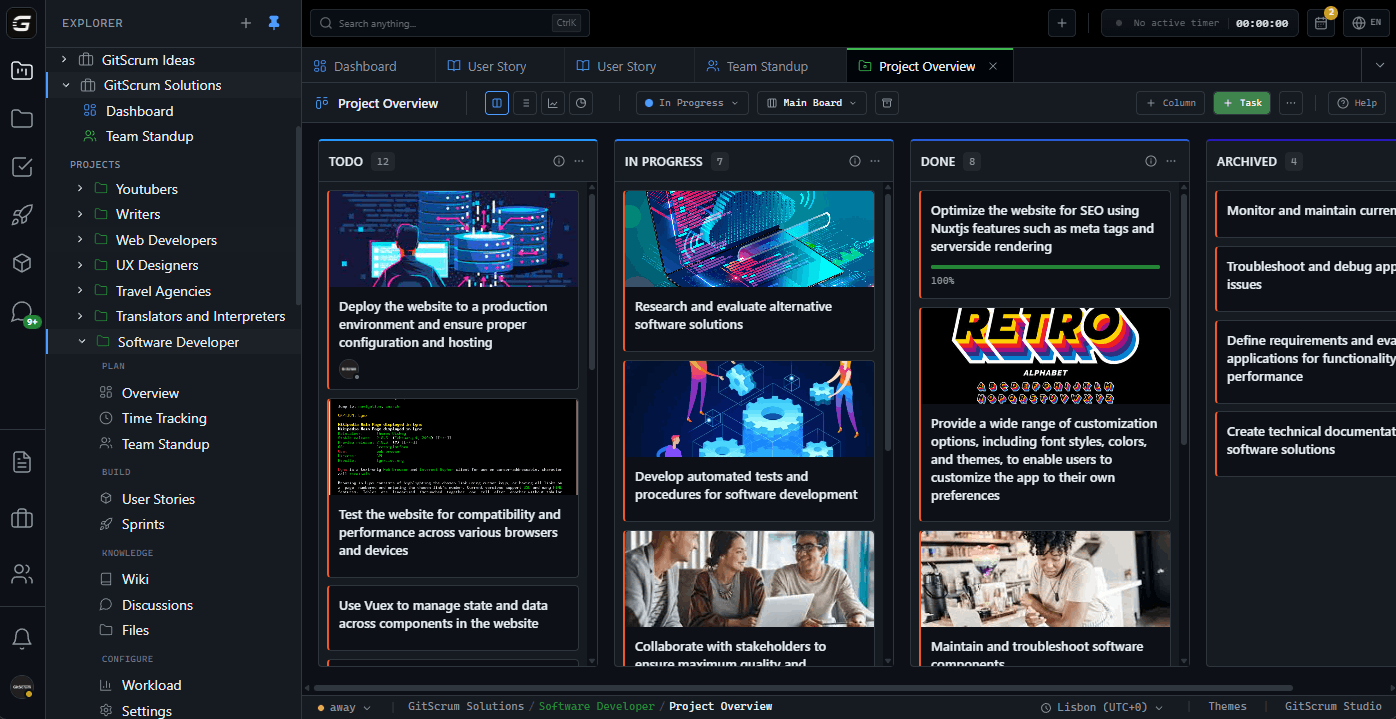
Log every interview, survey response, and support ticket. Tag by problem area, customer segment, frequency. When prioritizing, search for evidence instead of relying on memory.
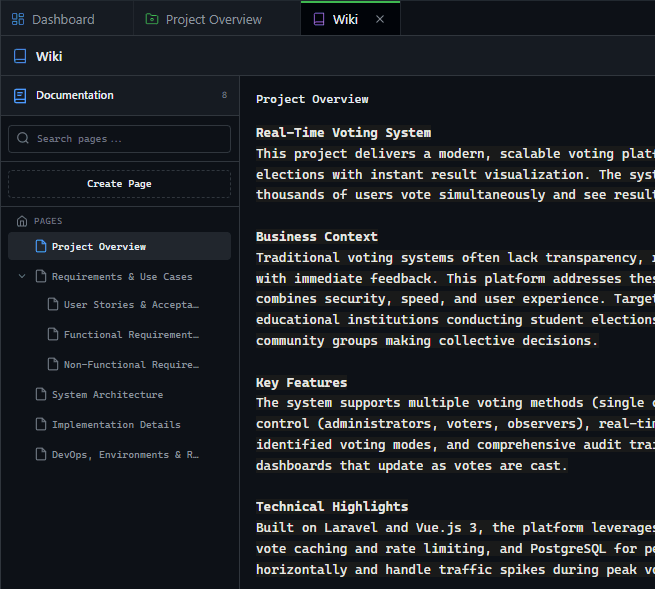
Insight-to-Feature Linking
Feature spec links back to customer insights that informed it. Engineering sees why they're building what they're building. Decisions are traceable to evidence.
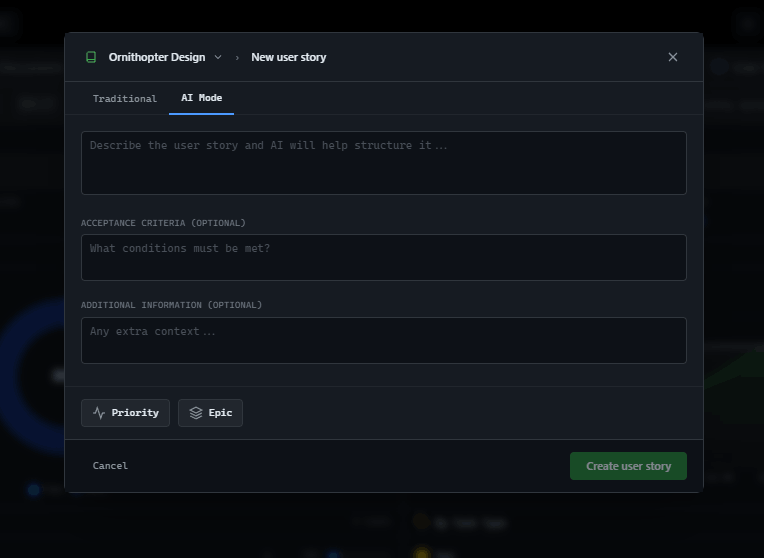
Prioritization Transparency
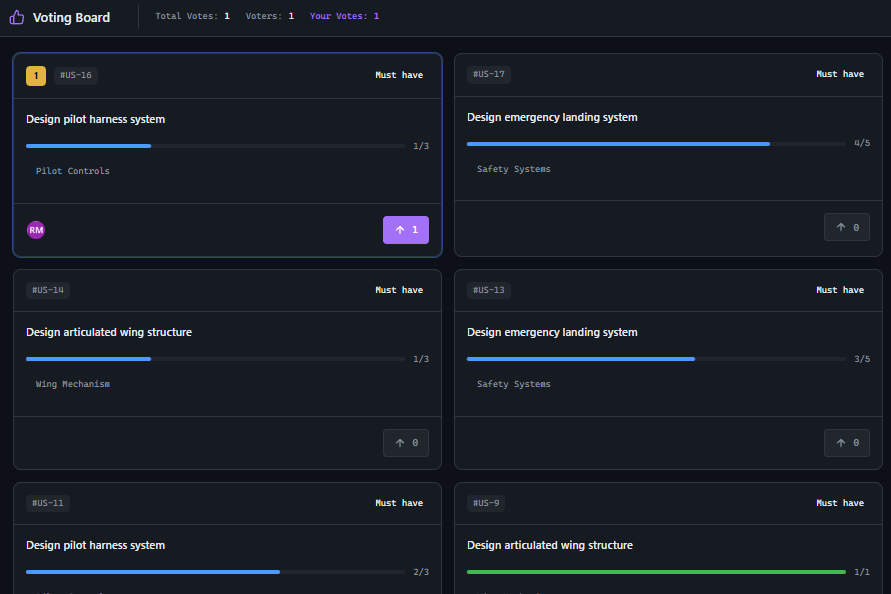
Use voting boards for feature prioritization. Stakeholders see the score, the criteria, the evidence. When they ask 'why this feature,' point them to the decision record.
Discovery-to-Delivery Pipeline
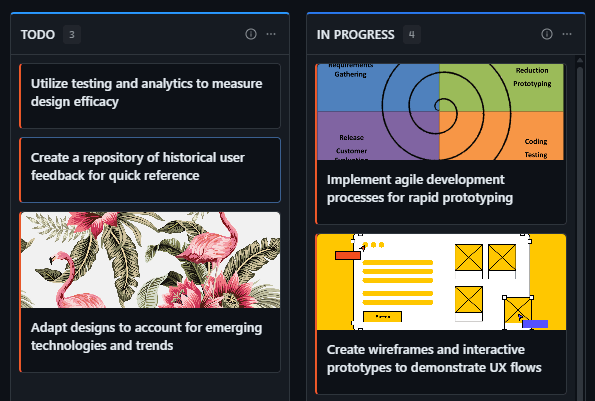
Ideas move through stages: Raw Insight → Problem Definition → Solution Design → Development → Launch → Measure. Status visible across the entire pipeline.
These solutions work together. Try them today.
Team size GitScrum is built for
For teams up to 2 users
Per user, per month
"We stopped losing hours to status meetings. Now everyone sees progress in real-time."
Sarah Chen
Operations Lead, 15-person team
Frequently Asked Questions
Still have questions? Contact us at customer.service@gitscrum.com
How do we handle contradictory customer feedback?
Tag feedback by customer segment, company size, use case. Analysis shows that enterprise wants X while SMB wants Y. Both are valid—different segments, different needs. Prioritize by strategic focus.
Can we integrate with existing research tools?
Import from Dovetail, UserTesting, or spreadsheets. GitScrum becomes the synthesis layer where insights connect to decisions and execution. Keep specialized tools, add decision traceability.
What about competitive features that don't come from customer research?
Create a 'competitive intelligence' insight source. Tag features as 'competitive response' with clear rationale. Still documented, still traceable, just different evidence type.
Ready to solve this?
Start free, no credit card required. Cancel anytime.