Ship Features That Are Actually Ready
Engineering says the feature is done. But documentation isn't written, support hasn't been trained, and marketing announced a launch date nobody agreed to. Sound familiar?
problem.identify()
Why SaaS Releases Create Cross-Team Chaos
Different Teams Live in Different Tools
Engineering tracks in Jira. Product manages in Notion. Marketing schedules in Asana. Finding the actual release status requires checking multiple different systems.
Definition of Done Means Nothing
To engineering, Done means code merged. To product, Done means tested by QA. To marketing, Done means launch email ready. Features ship half-complete because nobody aligned on criteria.
Launch Date Roulette
Someone picks a date from thin air. Engineering hits blockers. Marketing already promoted the date. Now you're choosing between shipping broken code or disappointing customers.
Support Learns About Features From Customers
A customer asks about the new billing page. Support has never seen it. They escalate to engineering, who's busy on the next sprint. Customer waits days for a simple answer.
Sound familiar?
See how GitScrum handles this in 2 minutes.
solution.implement()
Release Coordination That Actually Coordinates
Cross-Functional Release Boards
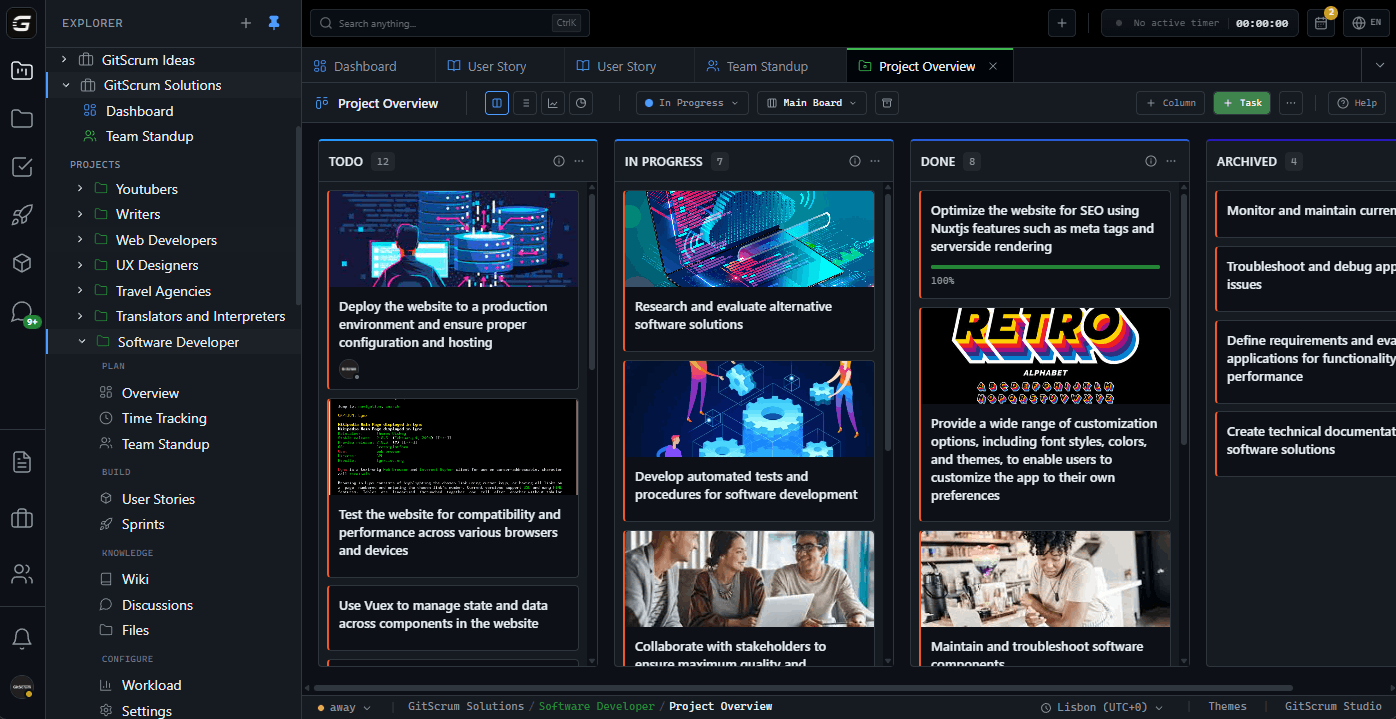
One board shows all release activities: Engineering tasks, doc updates, marketing prep, support training. Everyone sees the same status. No more information silos.
Release Readiness Checklists
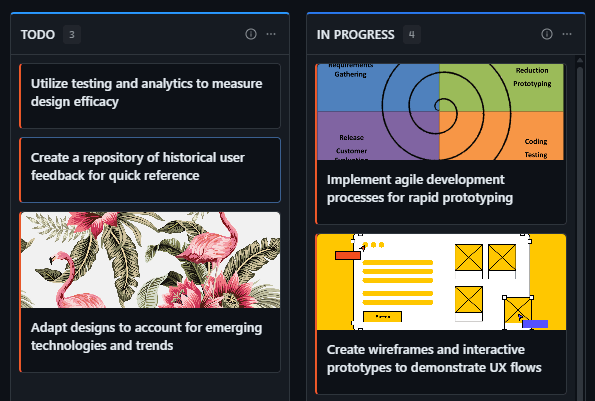
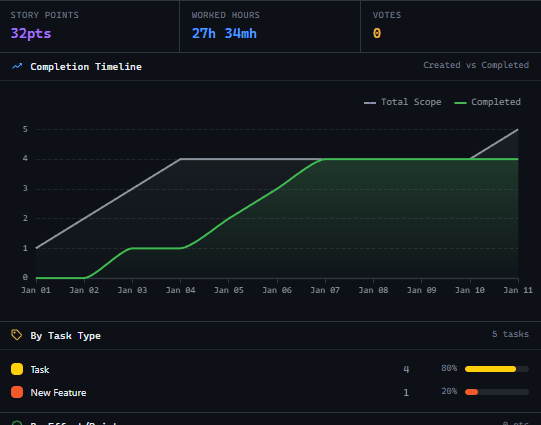
Define what Done actually means: Code deployed, docs published, support trained, changelog updated, billing handles edge cases. Release doesn't ship until every box is checked.
Internal Release Notes
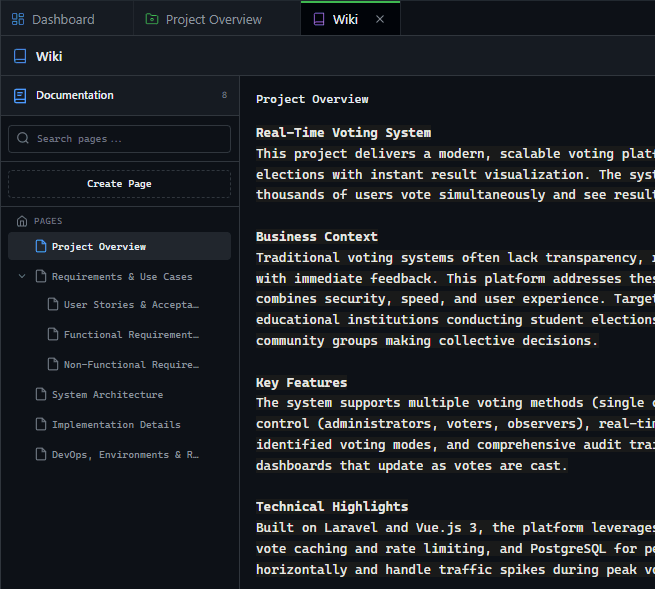
Engineering documents what changed. Product explains why. Support gets training materials. One place for everyone to learn about what's shipping.
Release Calendar with Dependencies
See all planned releases. Know which features depend on others. When engineering slips, marketing's launch date automatically adjusts. No more surprise delays.
These solutions work together. Try them today.
Team size GitScrum is built for
For teams up to 2 users
Per user, per month
"We stopped losing hours to status meetings. Now everyone sees progress in real-time."
Sarah Chen
Operations Lead, 15-person team
Frequently Asked Questions
Still have questions? Contact us at customer.service@gitscrum.com
How does this work with our existing Jira setup?
GitScrum doesn't replace your engineering workflow. Create release coordination boards that link to Jira tickets. Engineering stays in Jira. Non-engineering teams see progress without needing Jira access.
Can we have different release processes for major vs minor updates?
Yes. Major releases might need full cross-functional coordination. Minor bug fixes might just need engineering and support awareness. Create templates for each release type.
What about feature flags and gradual rollouts?
Track rollout stages as separate tasks. 10% rollout complete, then 50%, then 100%. Each stage can have its own readiness checklist and stakeholder notifications.
Ready to solve this?
Start free, no credit card required. Cancel anytime.