







Healthcare Software Complexity Healthcare development operates under: ├─ HIPAA (patient data protection) ├─ FDA (if medical device software) ├─ SOC 2 (security controls) ├─ HITRUST (healthcare security framework) ├─ State regulations (varying) ├─ Payer requirements (if billing) ├─ EHR integration standards (HL7, FHIR) Every change can be audited.
Every release can be questioned. The Compliance Documentation Challenge Auditor question: 'Show me the change history for patient data handling in v2.4.1.' With generic PM tools: ├─ Search Jira for related tickets ├─ Hope ticket descriptions are accurate ├─ Manually correlate with Git commits ├─ Reconstruct timeline from memory ├─ Pray nothing was missed ├─ Result: 4 hours, incomplete answer With GitScrum: ├─ Filter tasks by label: 'PHI handling' ├─ Tasks show linked commits ├─ Git history shows exact changes ├─ PR reviews documented ├─ Timeline automatic from Git ├─ Result: 15 minutes, complete answer Git already creates the audit trail.
GitScrum makes it accessible. FDA Software Validation (IEC 62304) If building medical device software: ├─ Software classification (A, B, C) ├─ Traceability matrix required ├─ Design inputs documented ├─ Design outputs verified ├─ Risk analysis linked ├─ Verification activities recorded GitScrum supports (does not replace validation): ├─ Tasks = Design requirements ├─ Sub-tasks = Implementation steps ├─ Git commits = Design outputs ├─ Test tasks = Verification activities ├─ Wiki = Risk analysis documentation ├─ Export = Traceability evidence Compliance evidence from existing workflow.
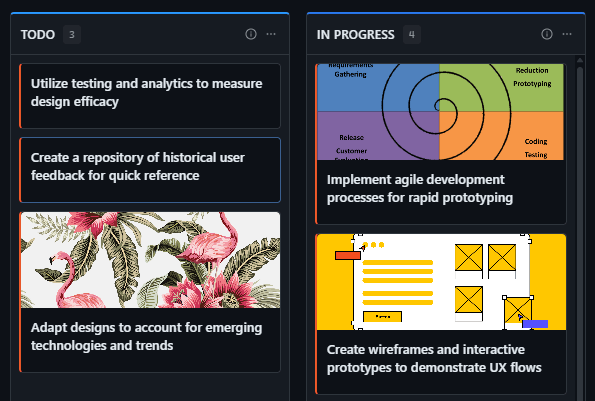
HIPAA Change Control HIPAA requires: ├─ Access control documentation ├─ Audit trail of changes ├─ Security incident tracking ├─ Training documentation ├─ Business associate management ├─ Risk assessment records GitScrum contributes: ├─ Role-based access (team members) ├─ Git activity audit trail ├─ Security task tracking ├─ Wiki for policies/training ├─ Integration documentation ├─ Risk task tracking PM tool is part of compliance stack. Validation Workflow Typical healthcare release: ├─ Development complete ├─ Code review (PR) ├─ Unit tests pass ├─ Integration tests pass ├─ QA testing ├─ Validation testing ├─ Security review ├─ Compliance sign-off ├─ Release approval ├─ Production deployment ├─ Post-deployment verification GitScrum custom statuses: ├─ Development ├─ Code Review ├─ QA Testing ├─ Validation ├─ Security Review ├─ Compliance Approval ├─ Ready for Release ├─ Released ├─ Verified Each status change = audit record.
Integration Work (HL7/FHIR) Healthcare integrations: ├─ EHR systems (Epic, Cerner, etc.) ├─ Lab systems ├─ Imaging systems ├─ Pharmacy systems ├─ Billing systems ├─ Patient portals Each integration = code changes: ├─ Connect integration repos ├─ Track HL7/FHIR development ├─ Document interface specifications ├─ Test in partner sandboxes ├─ Certification requirements Integration work is traceable. Security Task Tracking Healthcare security requirements: ├─ Encryption at rest ├─ Encryption in transit ├─ Access logging ├─ Authentication (MFA) ├─ Session management ├─ Vulnerability scanning ├─ Penetration testing ├─ Incident response All trackable as tasks: ├─ Story points for security work ├─ Sprint planning includes security ├─ Velocity includes security delivery ├─ Security ≠ invisible overhead PHI Handling Documentation For features touching patient data: ├─ Data flow documentation ├─ Access control specification ├─ Encryption requirements ├─ Audit logging requirements ├─ Retention requirements ├─ Disposal requirements GitScrum Wiki: ├─ PHI handling policies ├─ Per-feature data documentation ├─ Architecture decisions ├─ Compliance checklists ├─ Training materials Documentation lives with project.
Pricing for Healthcare Teams Healthcare startup (6 devs): ├─ 2 free + 4 × $8.90 = $35.60/month ├─ Full compliance workflow ├─ No enterprise tier needed Digital health company (15 devs): ├─ 2 free + 13 × $8.90 = $115.70/month ├─ Multiple products ├─ Validation workflows Healthcare enterprise (30 devs): ├─ 2 free + 28 × $8.90 = $249.20/month ├─ EHR integrations ├─ Multiple teams ├─ Full audit capability Vs 'healthcare-specific' PM tools: ├─ Specialized tools: $50-100/user/month ├─ Annual contracts required ├─ GitScrum: $8.90/user, monthly Features Healthcare Teams Need | Need | GitScrum | |------------------------|---------------------------| | Audit trail | Git-based, automatic | | Validation workflow | Custom statuses | | Change documentation | Commit → task linking | | Security tracking | Story points for security | | Compliance evidence | Activity export | | Integration tracking | Multi-repo support | Real Healthcare Experience 'We build patient engagement software. HIPAA audits used to be stressful - scrambling for documentation.
After GitScrum, every feature has linked commits, PR reviews are documented, and status changes are timestamped. Last audit, we exported our activity log and walked through it with the auditor.
They complimented our documentation. First time that ever happened.' - CTO, Digital Health Startup Compliance is Not Certification Important note: GitScrum is a project management tool.
It supports compliance workflows. It does not provide HIPAA certification.
It does not replace validation processes. What it does: ├─ Creates audit trails (Git-based) ├─ Supports validation workflows ├─ Documents change history ├─ Exports compliance evidence ├─ Reduces manual documentation burden Your compliance process + GitScrum = better documentation.
Pricing Summary 6 developers: $35.60/month 10 developers: $71.20/month 15 developers: $115.70/month 30 developers: $249.20/month $8.90/user/month. 2 users free forever.
Start Free Today 1. Sign up (30 seconds) 2.
Connect healthcare repos 3. Configure validation workflow 4.
Build with compliance confidence Healthcare PM without healthcare-tier pricing.
The GitScrum Advantage
One unified platform to eliminate context switching and recover productive hours.


