
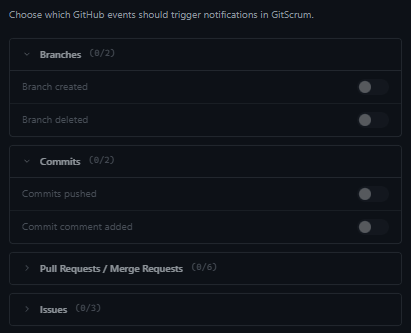








When one API in the stack changes behaviour, downstream automations fail silently and nobody notices for days Rate limits and versioning confusion turn every integration into a maintenance project Manual sync between platforms drifts: the ticket says done, the tool says open GitScrum answers: Pro connects GitHub, GitLab and Bitbucket: commits and pull requests link to tasks, so the board reflects the code that actually shipped Filterable notifications across 38 event types surface what automation should have caught NoteVault stores the context behind each integration decision, readable by your agents too GitScrum’s free plan already includes boards, NoteVault, Wiki, Client Flow, monitoring and agent access through one MCP link.
Pro — Git integrations and API & webhooks — starts at $106.80/year at launch, 87% off the $854.40 list price.
The GitScrum Advantage
One unified platform to eliminate context switching and recover productive hours.