







Two-factor authentication is non-negotiable for security.
But the multiplication of 2FA across a fragmented tool stack transforms a security measure into a productivity obstacle. Consider the 2FA experience across 15+ tools: each tool potentially uses a different 2FA method—some require authenticator app codes, others send SMS, others email verification codes, some support hardware keys.
The developer must maintain authenticator entries for each service, often scrolling through dozens of entries to find the right one. Each 2FA code has a 30-second validity window, creating time pressure during entry.
Different tools have different 2FA policies—some require it every login, others only for sensitive actions, others seemingly randomly. When session timeouts trigger re-authentication waves, 2FA multiplies the friction.
Logging back into five tools after a meeting means five separate 2FA verifications: unlock phone, open authenticator, scroll to correct entry, enter code before expiration, repeat. The cumulative time and attention spent on 2FA across a typical day is substantial.
But the bigger cost is cognitive: each 2FA prompt is an interruption that breaks concentration. The mental context-switch from 'what was I working on?' to 'where's my phone, what's the code?' to 'wait it expired, get new code' fragments attention regardless of the seconds involved.
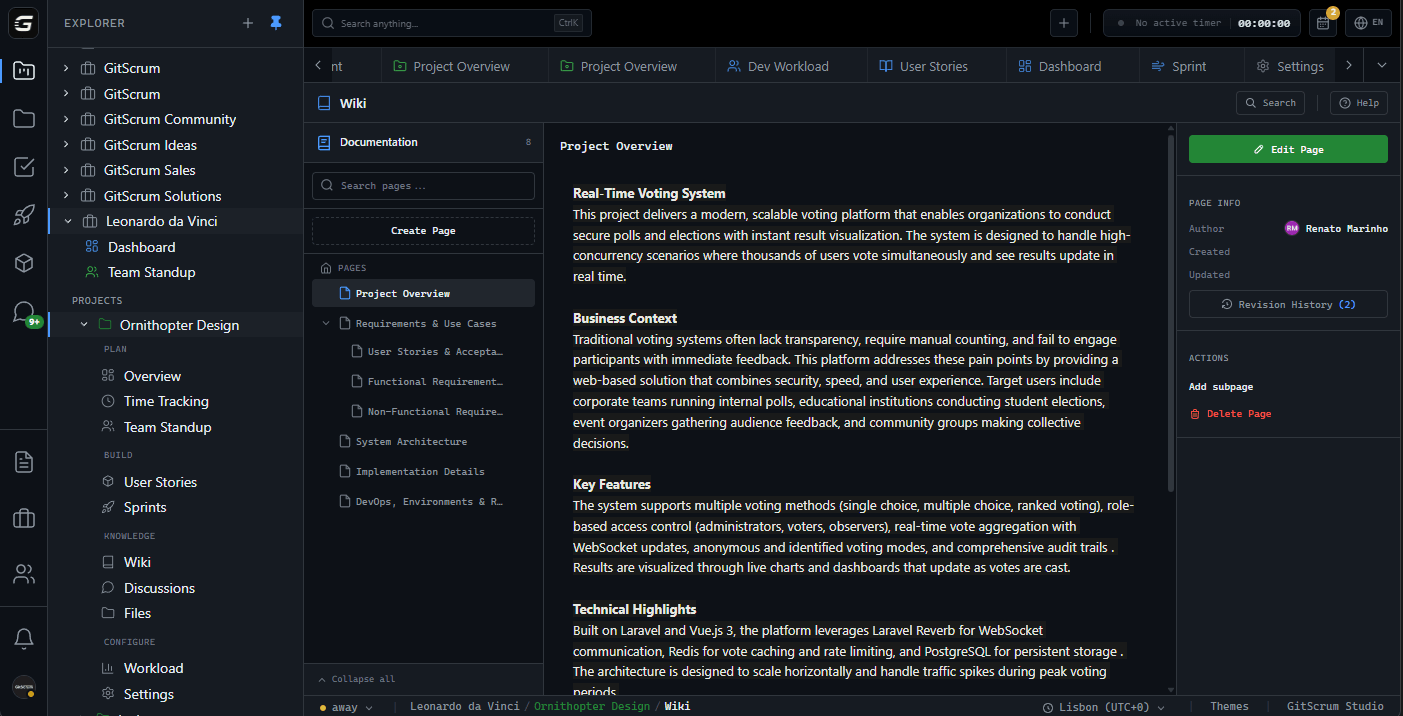
GitScrum consolidates development workflow into a single platform, reducing 2FA from 15+ separate verifications to one. Single strong authentication provides access to tasks, communication, documentation, and code integration.
The security benefit remains; the multiplication of friction disappears.
The GitScrum Advantage
One unified platform to eliminate context switching and recover productive hours.


