







What Basecamp Is Good At Basecamp pioneered simple project management.
Opinionated. Communication-centric.
Anti-feature-bloat. Great for: - Internal teams with varied work - Companies wanting simplicity above all - Non-technical project communication - Teams fleeing complex tools Basecamp's philosophy: Less is more.
Fewer features. Less complexity.
More focus. For general project management, it works.
The Developer Agency Gap Development agencies have specific needs. Basecamp's simplicity becomes limitation.
1. No Git Integration Basecamp: Zero native Git connection.
Agency reality: Commits, PRs, branches are daily life. Want to see code activity on tasks?
No Real Sprint Management Basecamp has: To-dos. That's it.
No velocity tracking. No burndown.
No sprint planning. Agile teams: Create workarounds or give up.
3. Limited Time Tracking Basecamp: Third-party integrations.
Agencies billing hours: Need native, reliable time data. Export for invoicing?
No Traditional Boards Basecamp: Hill charts (unique). To-do lists.
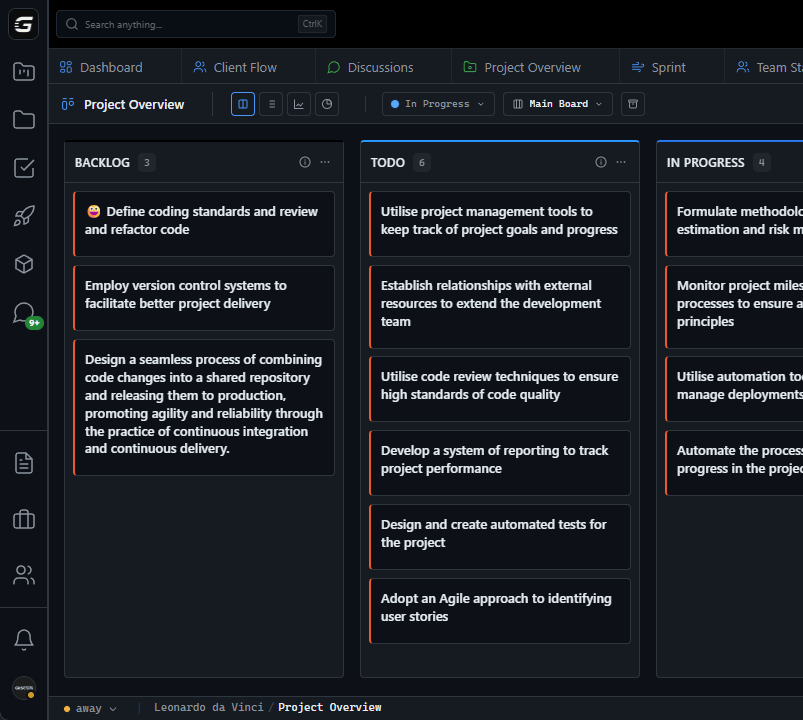
Developers: Want kanban. Want sprint boards.
Basecamp's way or no way. 5.
Flat Per-Company Pricing Basecamp Pro Unlimited: $299/month flat. Small agency with 5 people: Expensive.
Large agency with 100 people: Great deal. 6.
Communication > Task Management Basecamp prioritizes: Messages, campfires, check-ins. Developers need: Task states, dependencies, workflow.
Different priorities. The Philosophy Mismatch Basecamp was built by Basecamp (formerly 37signals).
A consulting company that became a product company. Their work: Internal.
Product-focused. Non-client-billable.
Development agencies: - Multiple simultaneous clients - Hourly billing - Code-centric workflows - Sprint-based delivery - Client visibility needs Basecamp's philosophy doesn't match agency reality. The 'Works for 37signals' Problem Basecamp works for Basecamp.
They build one product. Internal team.
No client billing. Agencies: - Build multiple projects - Bill multiple clients - Track multiple time budgets - Run multiple sprints - Need multiple visibility levels Different business model.
Different tool needs. GitScrum: Built for Development Agencies We serve agencies specifically.
The tool addresses agency patterns: 1. Native Git Integration - GitHub, GitLab, Bitbucket - Commits on tasks automatically - PR status visible - Branch tracking 2.
Real Sprint Management - Sprint planning - Velocity tracking - Burndown charts - Backlog grooming - Story points 3. Built-In Time Tracking - Timer on every task - No third-party needed - Export for billing - Utilization reports 4.
Flexible Views - Kanban boards - Sprint boards - List views - Use what fits 5. Client Flow Portals - Professional client access - Progress visibility - Controlled information - Always free for clients 6.
Smart Pricing - 2 users FREE forever - $8.90/user/month after - Scales with team size - Clients never charged Migration Path From Basecamp: 1. Export to-dos 2.
Import to GitScrum as tasks 3. Set up project structure 4.
Connect Git repositories 5. Create sprints 6.
Invite clients to portals Your projects migrate. Your workflow upgrades.
Who Should Stay on Basecamp? Basecamp fits if: - Non-technical team - Communication is priority - No Git workflow - No sprint methodology - No hourly billing - Large team (flat pricing helps) GitScrum fits if: - Development agency - Git is central to work - Running sprints - Billing clients hourly - Need time tracking - Client visibility important Be honest about your actual workflow.
The GitScrum Advantage
One unified platform to eliminate context switching and recover productive hours.


