The Invisible Code Review Bottleneck Code reviews are essential.
They catch bugs, share knowledge, maintain quality. But they also create the biggest invisible bottleneck in software development.
The Typical Review Problem: 1. Developer opens PR, requests review 2.
PR sits in queue (reviewer has 10 other things to do) 3. Days pass, developer context-switches to new work 4.
Reviewer finally looks, requests changes 5. Developer now has forgotten the context 6.
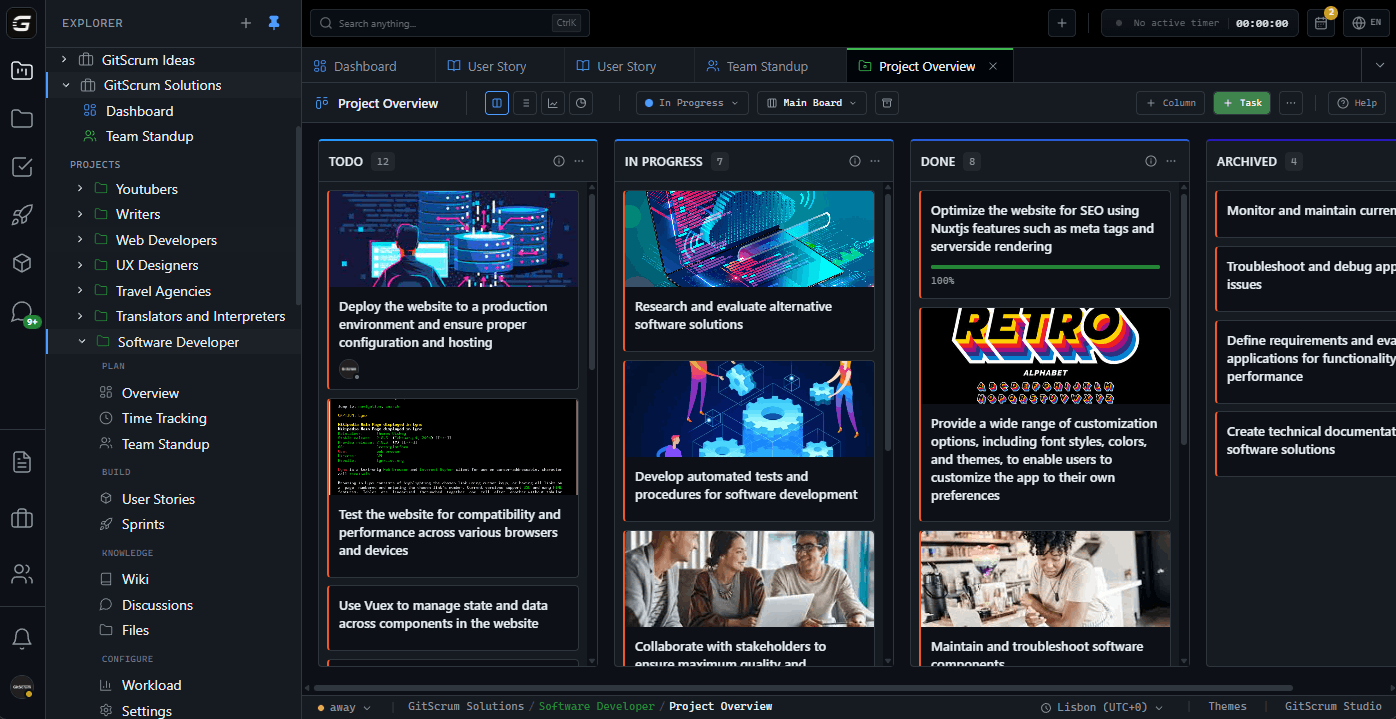
Round-trip takes a week for what should take hours Cost: 2-5 days added to every feature. Why Reviews Become Bottlenecks Invisible Queue: - Reviewers don't have a central view of pending reviews - Reviews mixed with other GitHub notifications - Easy to lose track, deprioritize Uneven Distribution: - Senior developers get most review requests - Some team members overloaded - Others rarely asked (they should be learning) No Time Visibility: - Nobody knows a PR has been waiting 3 days - No alerts when reviews go stale - Discovered at standup: 'Still waiting on review' Context Loss: - Long review cycles mean forgotten details - Re-ramping takes time - Comments unclear because reviewer forgot earlier discussion The Cost of Review Delays Direct Time Cost: - Average PR wait time: 2-4 days - With 20 PRs/week: 40-80 days of wait time - Developer context-switching cost: 15-20 min/switch Indirect Costs: - Larger PRs (waiting so might add more) - Merge conflicts (more time = more changes elsewhere) - Release delays (can't ship until reviewed) - Frustration and tension between team members Cumulative Impact: - Team of 5: 200+ hours/month in review-related delays - Features that should take 3 days take 8 - Sprint velocity 30-40% lower than potential GitScrum: Code Review Visibility GitScrum brings code review status into your project management workflow: Review Dashboard: - All pending reviews in one view - Sorted by wait time - Reviewer assignments visible - CI status shown Per-Task Review Status: - Review requested indicator - Reviewer names shown - Time since request - Approved/Changes Requested/Pending Reviewer Load Balancing: - See how many reviews each person has - Identify overloaded reviewers - Redistribute to balance load - Track review completion rates How Review Tracking Works Automatic Detection: - GitScrum reads GitHub review requests - Review assignments appear on tasks - Status updates as reviews complete - No manual tracking needed Task-Level Visibility: Card shows: - [Review Requested] from @alice, @bob - Waiting: 2 days, 4 hours - Status: 1 approved, 1 pending Review Queue View: For Each Reviewer: - List of PRs awaiting their review - Time waiting for each - Priority indicators - One-click to start review For Team Leads: - Total reviews pending - Distribution across reviewers - Stale reviews (> 24 hours) - Bottleneck identification Review Metrics Time Metrics: - Average time to first review - Average time to approval - Time from PR open to merge - Review cycle time (request -> complete) Load Metrics: - Reviews per person - Review completion rate - Reviews given vs received - Time spent in review queue Quality Indicators: - Rejection rate (changes requested) - Average rounds to approval - Re-review frequency - Comment density Notifications and Alerts Reviewers Get: - New review request notification - Daily digest of pending reviews - Reminder at 24 hours waiting - Escalation at 48 hours Authors Get: - Review started notification - Approval notification - Changes requested notification - Merge-ready notification Team Leads Get: - Stale review alerts - Unbalanced load warnings - Review bottleneck reports - Weekly review health summary Review Assignment Features From GitScrum: - Request review when creating/editing task - See reviewer availability (review load) - Auto-suggest based on file ownership - Balance requests across team From GitHub: - Review requests sync automatically - Manual assignments captured - CODEOWNERS integration - Team-based assignments Workflow Integration Standup: - 'Review Pending' filter shows blocked work - Immediate visibility into what needs attention - Quick reassignment if reviewer unavailable Sprint Planning: - Review load considered in capacity - High-review-load periods identified - Balance development and review time Release Prep: - 'Ready to Merge' filter - 'Blocking Review' identification - Clear path to release completion Comparison: PM Tools and Review Tracking | Tool | Review Status | Reviewer Load | Wait Time | Notifications | |------|---------------|---------------|-----------|---------------| | Jira | Manual only | No | No | No | | Asana | No | No | No | No | | Monday | No | No | No | No | | Linear | Basic | Limited | Limited | Limited | | GitScrum | Full | Full | Full | Full | Real Scenarios Scenario 1: Daily Review Check Old Way: - Check GitHub notifications (mixed with other alerts) - Try to remember which PRs you were asked to review - Miss some, delay others - Coworker messages: 'Hey, can you review my PR?' GitScrum Way: - Open Review Queue view - See all PRs awaiting your review - Sorted by wait time (oldest first) - Clear list, work through it Scenario 2: Identifying Bottlenecks Old Way: - Sprint review: 'Why didn't this ship?' - 'It was waiting on review' - 'Who was supposed to review?' - Blame game, no data GitScrum Way: - Review dashboard shows wait times - Average review time: 3.2 days (too long) - Alice has 8 pending, Bob has 1 - Data-driven rebalancing Scenario 3: New Team Member Old Way: - Senior devs get all reviews - Junior devs never review - Knowledge doesn't spread - Seniors bottlenecked GitScrum Way: - See review distribution - Assign to junior devs (with senior backup) - Track their review quality - Spread knowledge, reduce bottleneck Pricing - 2 users: FREE forever - 3+ users: $8.90/user/month - Full code review tracking included - Review analytics dashboard - Notification system 5-person team: $26.70/month - All review tracking features - Reviewer load balancing - Wait time visibility - Alert notifications 10-person team: $71.20/month - Everything above - Team review analytics - Historical trends - Custom notification rules The Bottom Line Code reviews shouldn't be invisible.
When you see review status: - No forgotten reviews - Balanced reviewer load - Faster time to merge - Less frustration, more shipping GitScrum: Code review visibility for development teams. 2 users free.
$8.90/user/month. See who's reviewing what, and what's waiting.
The GitScrum Advantage
One unified platform to eliminate context switching and recover productive hours.