VS Code

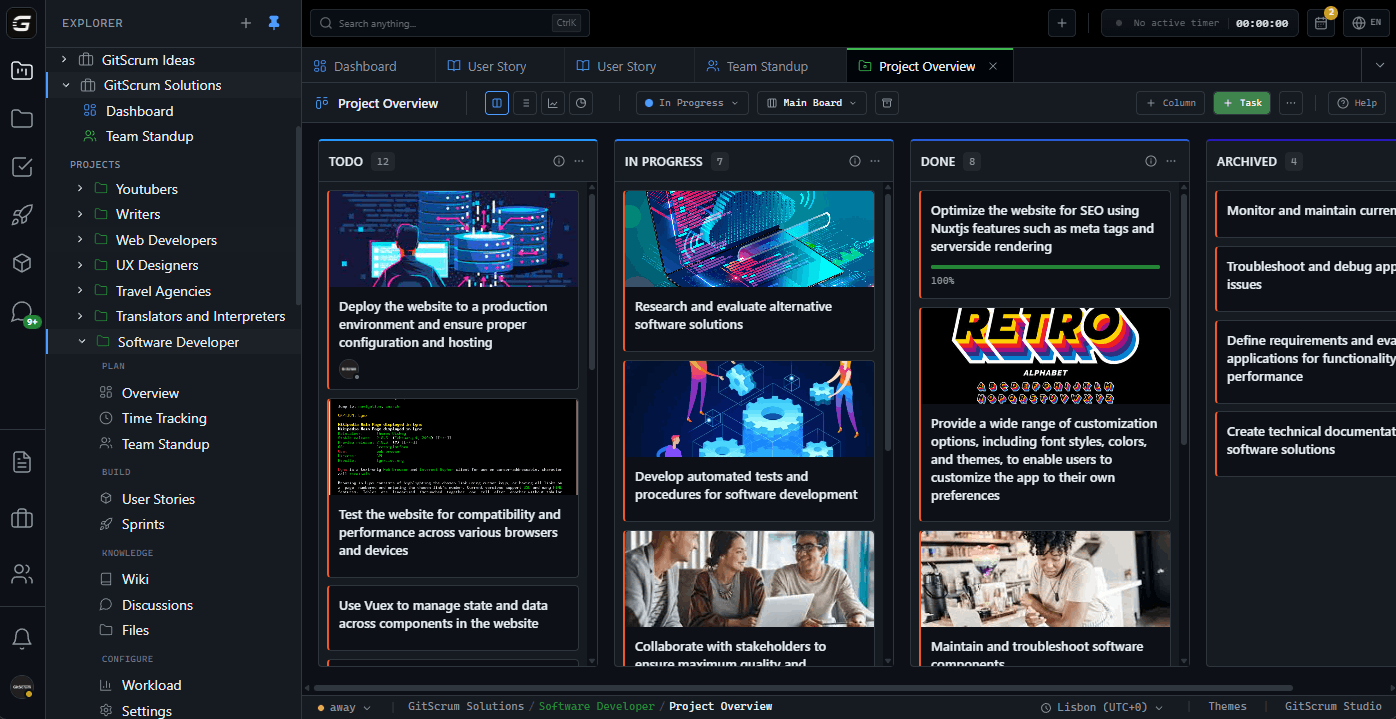
GitScrum for VS Code, Google Antigravity, Cursor and Windsurf!

GitScrum logo
Solution

Dev Debug Refocus 2026 | 45 Min vs 23 Min Average

Debug mental models take 15-30 min to build—variable states, logic paths, root cause hypotheses. One interrupt = collapse. 45 min to rebuild vs 23 min avg. GitScrum protects deep debugging sessions. Free trial.

Dev Debug Refocus 2026 | 45 Min vs 23 Min Average

Debugging is among the most cognitively demanding tasks developers perform.

When investigating a bug, a developer must simultaneously hold in working memory: the observed symptom, the expected behavior, the current hypothesis about root cause, variable states at different execution points, conditional logic branches, recently examined code paths, and potential solutions being evaluated. This mental model can take 15-30 minutes to construct in the first place.

When an interruption occurs—a Slack notification, a meeting reminder, a colleague asking a question—this carefully constructed mental model collapses. The developer does not just lose their train of thought; they lose the entire mental scaffolding required to efficiently debug the issue.

Rebuilding this context after returning to the task takes approximately 45 minutes for complex debugging scenarios, significantly longer than the 23-minute average for routine work. Some developers report that after certain interruptions, they essentially have to start the debugging process over from scratch.

GitScrum helps protect these critical debugging sessions by consolidating tools and reducing interruption sources. When developers do not need to switch to external tools for task updates, time tracking, or team communication, there are fewer opportunities for flow-breaking interruptions during sensitive cognitive work.

The GitScrum Advantage

One unified platform to eliminate context switching and recover productive hours.

01

problem.identify()

The Problem

Complex debugging requires holding massive mental context in working memory

Single interruption collapses 15-30 minutes of mental model construction

45 minutes needed to rebuild debugging context after interruption

Fragmented tools create constant interruption opportunities

Some interruptions force developers to restart debugging from scratch

External tool notifications derail sensitive cognitive work

02

solution.implement()

The Solution

Protect deep debugging sessions from unnecessary interruptions

Consolidate tools to reduce interruption sources during complex work

Enable focus modes that batch non-urgent notifications

Keep task context, discussions, and tracking in single interface

Reduce tool boundaries that trigger flow-breaking switches

Support developers in achieving and maintaining deep focus states

03

How It Works

1

Unified Work Interface

Access task details, discussions, linked code, and time tracking without leaving your primary workspace during debugging sessions

2

Deep Focus Mode

Enable focus mode to queue all non-critical notifications. Only urgent mentions or blockers can interrupt debugging flow

3

Session Protection

Schedule debugging blocks on your calendar. Team visibility into focus sessions reduces unnecessary interruptions from colleagues

4

Contextual Note Capture

Quick note feature lets developers capture debugging progress without full context switch, providing breadcrumbs for faster recovery if interrupted

04

Why GitScrum

GitScrum addresses Developers Need 45 Minutes to Refocus from Complex Debugging Interruptions through Kanban boards with WIP limits, sprint planning, and workflow visualization

Problem resolution based on Kanban Method (David Anderson) for flow optimization and Scrum Guide (Schwaber and Sutherland) for iterative improvement

Capabilities

  • Kanban boards with WIP limits to prevent overload
  • Sprint planning with burndown charts for predictable delivery
  • Workload views for capacity management
  • Wiki for process documentation
  • Discussions for async collaboration
  • Reports for bottleneck identification

Industry Practices

Kanban MethodScrum FrameworkFlow OptimizationContinuous Improvement

Frequently Asked Questions

Still have questions? Contact us at customer.service@gitscrum.com

Why does debugging take longer to recover from than other tasks?

Debugging requires building a complex mental model that includes the bug symptom, expected behavior, current hypothesis, variable states at multiple execution points, code paths examined, and potential solutions. This model can take 15-30 minutes to construct and is held entirely in working memory. When interrupted, this model collapses and must be rebuilt from scratch, taking approximately 45 minutes for complex bugs.

How can I protect debugging sessions from interruptions?

Use focus modes to batch non-urgent notifications. Schedule dedicated debugging blocks on your calendar so colleagues know you are unavailable. Use unified platforms that reduce the need to switch tools during debugging. If interrupted, quickly capture your current debugging state in notes to speed recovery.

What if I need to collaborate during debugging?

In-context discussions let you share debugging progress or ask questions without fully switching to a chat tool. This preserves more of your mental model than a complete context switch. For pair debugging sessions, ensure both developers can view the same task context to maintain shared understanding.

Ready to solve this?

Start free, no credit card required. Cancel anytime.

Works with your favorite tools

Connect GitScrum with the tools your team already uses. Native integrations with Git providers and communication platforms.

GitHubGitHub
GitLabGitLab
BitbucketBitbucket
SlackSlack
Microsoft TeamsTeams
DiscordDiscord
ZapierZapier
PabblyPabbly

Connect with 3,000+ apps via Zapier & Pabbly